Last updated: October 2026
Many observers mistakenly believe that gambling is a purely modern phenomenon driven by technology, or that the "house edge" makes winning impossible for every player. In reality, wagering is one of the oldest human activities, and while the mathematical advantage remains with the operator, strategic play and rigorous bankroll management allow many to enjoy it as a sustainable form of entertainment. Understanding the mechanics behind the odds is the first step toward a safer and more informed experience.
Gamblezen Casino
★★★★★ 5.0Welcome bonus up to €500
Goldbet Casino
★★★★★ 4.8100% bonus on first deposit
Spinboss Casino
★★★★★ 4.7Exclusive bonus up to €1000
Ritzo Casino
★★★★★ 4.5200% bonus + 50 free spins
- Regulatory Body: UK Gambling Commission (established 2005)
- Legal Age: 18 years old for most activities in Great Britain
- Market Value: Estimated £15.2 billion GGY in 2026
- Self-Exclusion: Over 500,000 active GAMSTOP registrations as of early 2026
- Player Protection: Mandatory AI-driven financial vulnerability checks implemented in 2026
| Activity Type | Average House Edge | Primary Skill Level | Popular 2026 Platform |
|---|---|---|---|
| European Roulette | 2.70% | Low (Pure Chance) | Live Dealer Studios |
| Blackjack (Basic Strategy) | ~0.50% | High (Decision Based) | Mobile Apps |
| Sic Bo | 2.78% to 18.9% | Medium (Bet Variety) | Virtual Reality Casinos |
| Sports Betting | Varies (Vig) | High (Analytical) | Betting exchanges |
Understanding Gambling: Core Concepts and Evolution
At its most fundamental level, the act involves three specific elements: a consideration (the amount staked), a risk (the chance event), and a prize. Whether you are playing a quick hand of poker or participating in high-stakes online gambling, the underlying logic remains consistent. The participant exchanges something of value for the possibility of a greater return, knowing that the outcome is determined by chance or a mix of chance and skill.
Defining the activity: chance, skill, and stakes
While luck dictates the fall of the cards in a game like baccarat, other forms of play require a deep knowledge of mechanics to succeed. For instance, betting exchanges allow users to act as the bookmaker, setting their own prices and trading positions during a live event. This shift from traditional fixed-odds betting to peer-to-peer markets has redefined how modern participants interact with risk. The stake is no longer just a "bet and forget" transaction; it is a dynamic asset that can be managed in real-time.
In 2026, the distinction between "gaming" and "gambling" has blurred further. Many video games now incorporate mechanics that mirror traditional casino games, leading regulators to scrutinize loot boxes and virtual currencies. For a seasoned player, the primary goal is often to find the odds that offer the best value, rather than simply chasing a massive jackpot. This analytical approach separates the recreational enthusiast from those who treat the activity with less caution.
A brief history from ancient times to the modern era
Evidence of games of chance dates back to the Paleolithic period, with six-sided dice found in ancient Mesopotamian tombs. By the late 20th century, the industry underwent a seismic shift as digital technology allowed platforms to move from physical buildings into the pockets of millions. The transition from the smoke-filled backrooms of the 17th century to the high-tech gambling online environments of today represents a total democratisation of the experience.
The UK has a particularly rich history in this sector. From the early lotteries used to fund the British Museum to the massive growth of the high-street bookmaker in the 1960s, the culture is deeply embedded. Today, players looking for variety often explore casino rewards sister sites to find established networks that offer a bridge between traditional loyalty schemes and modern digital interfaces. This evolution ensures that while the games change, the fundamental human desire to test one's luck remains constant.
Exploring Diverse Gambling Activities
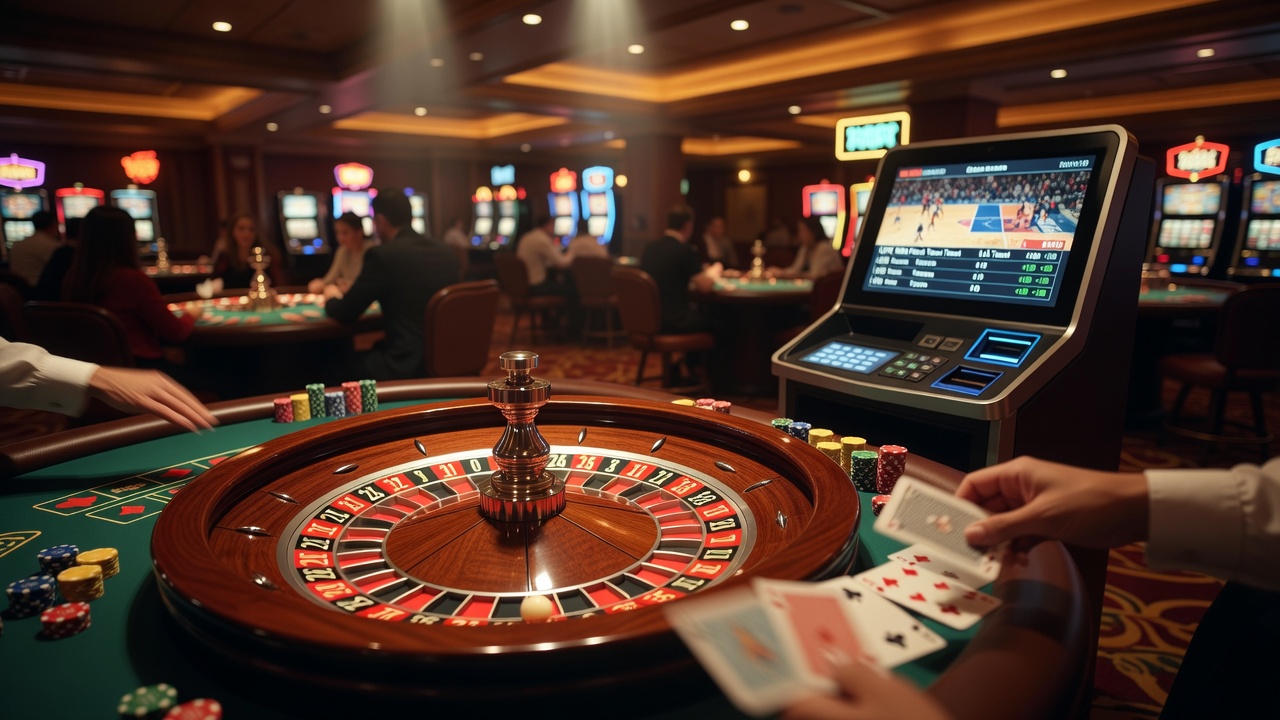
The variety of ways to gamble in 2026 is staggering. Beyond the traditional green baize of the casino floor, we now see hybrid games that combine elements of television game shows with live wagering. This diversification caters to a broader demographic, moving away from the "high roller" stereotype toward a more casual, social audience that values entertainment over pure profit.
Traditional and modern game types: casino to virtual sports
Casino classics like Sic Bo continue to find new life in digital formats. This ancient Chinese dice game has surged in popularity across Great Britain due to its fast pace and the visual excitement of the "shaker." Meanwhile, virtual sports—AI-simulated football matches or horse races—provide 24/7 action for those who prefer not to wait for real-world schedules. These simulations use complex algorithms to ensure fairness, though they lack the human element of traditional sports.
For those seeking a specific brand experience, exploring Spinz sister casinos can reveal platforms that share the same high-speed streaming technology and real-time reward systems. These ecosystems allow players to move between different themes while maintaining a consistent level of security and user interface quality. The integration of "smart" features, such as personalised game recommendations, has made the modern gambling site more intuitive than ever before.
Understanding how betting on horse races operates
The tradition of betting on horse racing remains a cornerstone of British culture. Unlike a slot machine, where the outcome is entirely random, racing requires an understanding of form, ground conditions, and jockey performance. Punters often spend hours studying "the card" before placing a wager at the track or via a mobile app. The introduction of "Each Way" betting and "Forecasts" provides multiple layers of strategy, allowing a player to win or lose based on more than just the first-place finisher.
Modern tech has also introduced "In-Play" markets for racing, where the odds fluctuate as the horses reach different furlongs. This requires split-second decision-making. However, the core appeal remains the same: the thundering of hooves and the tension of the final sprint. It is a social ritual as much as a financial one, often peaking during major festivals like Royal Ascot or the Cheltenham Festival.
Gambling Regulatory Frameworks and Consumer Protection

The landscape in Great Britain is governed by some of the strictest rules in the world. The primary objective of the Gambling Commission is to keep crime out, ensure games are fair, and protect the vulnerable. In 2026, these regulations have evolved to include mandatory "affordability checks" that trigger if a player’s spending reaches a certain threshold relative to their estimated income.
Key gambling laws and age restrictions in Great Britain
It is illegal for anyone under 18 to participate in most forms of commercial wagering. The 2005 Act serves as the foundation, but the 2026 updates have introduced a "statutory levy" on operators to fund research and treatment. This ensures that the industry pays for the social costs associated with its products. Furthermore, advertising is heavily restricted; you won't see gambling logos on children's football shirts or during prime-time television shows aimed at families.
Operators must also verify the identity of every player before allowing them to bet a single penny. This "Know Your Customer" (KYC) process prevents money laundering and ensures that self-excluded individuals cannot open new accounts. If you are looking for Jackpot City alternatives, you will find that any legitimate site must display its Gambling Commission license number clearly in the footer, providing a layer of trust and legal recourse for the consumer.
Ensuring player safety and fair play in 2026
Fairness is guaranteed through the use of Random Number Generators (RNGs), which are regularly audited by independent testing houses like eCOGRA. Whether you are playing a niche game like Sic Bo or a mainstream slot, the software ensures that every spin or roll is independent of the last. In 2026, many sites also use blockchain technology to provide "provably fair" gaming, where the player can manually verify the randomness of the result through a cryptographic hash.
Safety also extends to data protection. With the rise of cyber threats, the modern gambling site uses bank-level encryption to protect financial transactions. This level of security has led to higher consumer confidence, though it remains vital for players to only use platforms that are fully regulated within their jurisdiction. For more information on international standards, you can visit the official Gambling Commission website.
The Risks of Problem Gambling and Addiction

While most people enjoy a flutter without issue, the risk and reward cycle can become problematic for some. Addiction is a clinical condition where the urge to gamble becomes uncontrollable, despite negative consequences to the individual's life. Understanding the neurological triggers—specifically the release of dopamine during a "near miss"—is essential for recognising when a hobby is turning into a habit.
Recognizing signs, causes, and the 'risk and reward' cycle
The signs of a developing problem are often subtle. A gambler can afford to lose a certain amount, but when they start "chasing losses" or lying to family about their activity, the red flags are clear. The brain's reward system can become desensitised, requiring larger stakes to achieve the same "high." This cycle has led many into financial difficulty, as the excitement of the win or lose moment overrides rational financial planning.
Common symptoms include:
- Spending more time gambling online than on work or relationships.
- Feeling restless or irritable when trying to cut down.
- Using the activity as a way to escape from anxiety or depression.
- Borrowing money or selling assets to fund further play.
Addressing compulsive gambling, anxiety, and dual diagnosis
Often, a struggle with wagering does not exist in a vacuum. It can also be considered a symptom of underlying mental health issues, such as ADHD or bipolar disorder. This is known as "dual diagnosis," where the addiction and the mental health condition exacerbate each other. In 2026, treatment centres in the UK take a holistic approach, treating the person rather than just the behaviour. This often involves Cognitive Behavioural Therapy (CBT) to rewire the thought patterns that led to the compulsive actions.
The pressure of modern life can make the gambling environment seem like a temporary refuge. However, the financial strain eventually adds to the user's anxiety, creating a destructive feedback loop. Breaking this loop requires professional intervention and a strong support network. Many individuals find that sites like casinos like wildz offer robust "reality check" tools that pause play after a within specified time, helping to prevent the "trance-like" state that often leads to overspending.
Responsible Gambling Practices and Support

Maintaining a healthy relationship with betting requires intentionality. The most successful players are those who treat it as an expense, similar to going to the cinema or a football match. They only use money they can afford to lose and never view the activity as a legitimate way to earn an income or pay off debts.
Practical steps for self-help and establishing barriers
Modern technology provides excellent tools for self-regulation. Most platforms allow you to ensure your safety by setting daily, weekly, or monthly deposit limits. Once these limits are reached, the system prevents any further transactions. Additionally, "time-outs" allow a player to lock their account for a period ranging from 24 hours to six weeks. For a more permanent solution, GAMSTOP provides a centralised service that blocks access to every licensed gambling online platform in the UK for up to five years.
- Set a strict budget before you start and stick to it.
- Never bet and drink alcohol simultaneously, as it impairs judgment.
- Take regular breaks—at least 15 minutes for every hour of play.
- Use the "Reality Check" feature to track how long you have been logged in.
- Delete apps from your phone if you feel the urge to play impulsively.
Finding guidance and support for those impacted by addiction
If you or someone you know is struggling, guidance and support are readily available. Organisations like GamCare operate the National Gambling Helpline, offering free, confidential advice 24/7. There are also peer-support groups like Gamblers Anonymous (GA), which follow a 12-step program similar to Alcoholics Anonymous. These communities provide a space where individuals can share their experiences without judgment and work toward a common goal of recovery.
For more detailed resources, the GamCare website offers live chat services and forums. Remember, seeking help is a sign of strength, not weakness. The transition to a life free from the compulsion to gamble is possible with the right tools and a commitment to change. Many people find that after a period of abstinence, their financial and mental well-being improves significantly.
The Future of Gambling in 2026

The industry in 2026 is unrecognisable compared to the late 20th century. We are seeing the rise of "Metaverse" casinos, where players use VR headsets to walk around virtual floors and interact with other avatars. While this adds a new dimension of immersion, it also presents new regulatory challenges regarding the gaming control board's ability to monitor social interactions and prevent harassment in virtual spaces.
Anticipated trends and regulatory outlook
Artificial Intelligence is now the primary tool for both operators and regulators. AI monitors player behaviour in real-time to detect early signs of problem gambling, such as erratic betting patterns or late-night sessions. If the system flags a user, the platform may automatically intervene by sending a warning or temporarily suspending the account. This proactive approach aims to ensure that the industry moves toward a more sustainable "low-harm" model.
We are also seeing a shift in how betting exchanges operate. By integrating social media elements, these platforms allow "influencer" bettors to share their tips and strategies with followers, creating a more collaborative environment. However, this has led to concerns about the transparency of these "tipsters." As a result, the Gambling Commission is expected to introduce stricter rules regarding the promotion of betting strategies by non-licensed individuals later this year.
Rules
Every form of play is governed by a strict set of rules that define how a winner is determined and how payouts are calculated. In a casino, these rules are often displayed on a "paytable" or within the "help" menu of the game. For example, in Sic Bo, the rules dictate that a "Small" bet wins if the total of the three dice is between 4 and 10, excluding triples. Understanding these nuances is vital because even a small misunderstanding of the rules can lead to financial losses.
In sports betting, rules cover "void" bets (e.g., if a match is cancelled) and "Dead Heat" scenarios where two participants finish at the same time. Before you bet and risk your capital, you must read the terms and conditions of the specific market. Most reputable platforms will have a dedicated "Betting Rules" section that outlines exactly what happens in every possible scenario, ensuring transparency for the consumer.
See also
To further understand the complexities of this industry, readers may wish to explore related topics such as:
- Probability Theory: The mathematical foundation of all games of chance.
- Gaming control board: The international bodies that regulate casinos in jurisdictions like Nevada and Macau.
- Financial Vulnerability Checks: The 2026 credit-soft-search system used in the UK.
- The history of the late 20th century betting shop boom.
- Alternative gaming options like Kong Casino sister sites UK for varied gameplay styles.
Information
When seeking information about a specific gambling product, always look for the Return to Player (RTP) percentage. This figure represents the theoretical amount a game returns to players over millions of rounds. For example, a slot with a 96% RTP will, on average, return £96 for every £100 wagered. However, this is a long-term average and does not guarantee results in a single session. Short-term volatility can result in significant wins or losses, which is why the odds are never a guarantee of success.
Furthermore, it is important to know that online gambling accounts are subject to strict withdrawal rules. Most operators require you to withdraw funds using the same method you used to deposit, a measure led to by anti-money laundering (AML) laws. Understanding these logistical details beforehand prevents frustration when you decide to cash out your winnings.
Pros and Cons of Gambling
Like any form of adult entertainment, there are balanced arguments for and against participating in these activities. It is essential to weigh these before deciding to gamble.
- High entertainment value and excitement.
- Potential for significant financial returns on small stakes.
- Social interaction in live dealer or physical casino settings.
- Development of analytical skills in sports and poker.
- Risk of significant financial loss.
- Potential for addiction and mental health struggles.
- Can lead to financial strain if not managed strictly.
- The house always has a mathematical advantage in the long run.
How to Gamble Responsibly (Step-by-Step)
- Establish a Budget: Decide on a fixed amount of money you are comfortable losing before you even open a gambling site.
- Choose a Regulated Operator: Ensure the site holds a valid license from the Gambling Commission to guarantee fair play.
- Set Account Limits: Use the platform's tools to set a deposit limit within specified time frames (daily or weekly).
- Understand the Game: Read the rules and the RTP of the game you are about to play. Never bet and hope for the best without knowing the mechanics.
- Monitor Your Emotions: If you feel angry, stressed, or the urge to "chase" a loss, stop immediately and log off.
- Use Self-Exclusion if Needed: If you find it difficult to stop, use GAMSTOP or internal self-exclusion tools to take a permanent break.
Frequently Asked Questions
What is the safest way to gamble online in 2026?
The safest way is to use only UK-licensed platforms that offer AI-driven player protection tools. Always set deposit limits and never use credit cards, which are banned for gambling in Great Britain to ensure players only use funds they actually possess.
Can you actually make money from betting?
While some professional bettors make a living through betting exchanges or poker, the vast majority of players will lose money over time. It should be viewed as a paid form of entertainment rather than a source of income.
What should I do if I think I have a problem?
Immediately stop all activity and contact a support organisation like GamCare or the National Gambling Helpline. You can also use software to block gambling online access across all your devices to provide a necessary barrier to entry.